2026-09-24 · Tom Reyes
Top Signs of a Septic Tank Emergency and What to Do Before Help Arrives
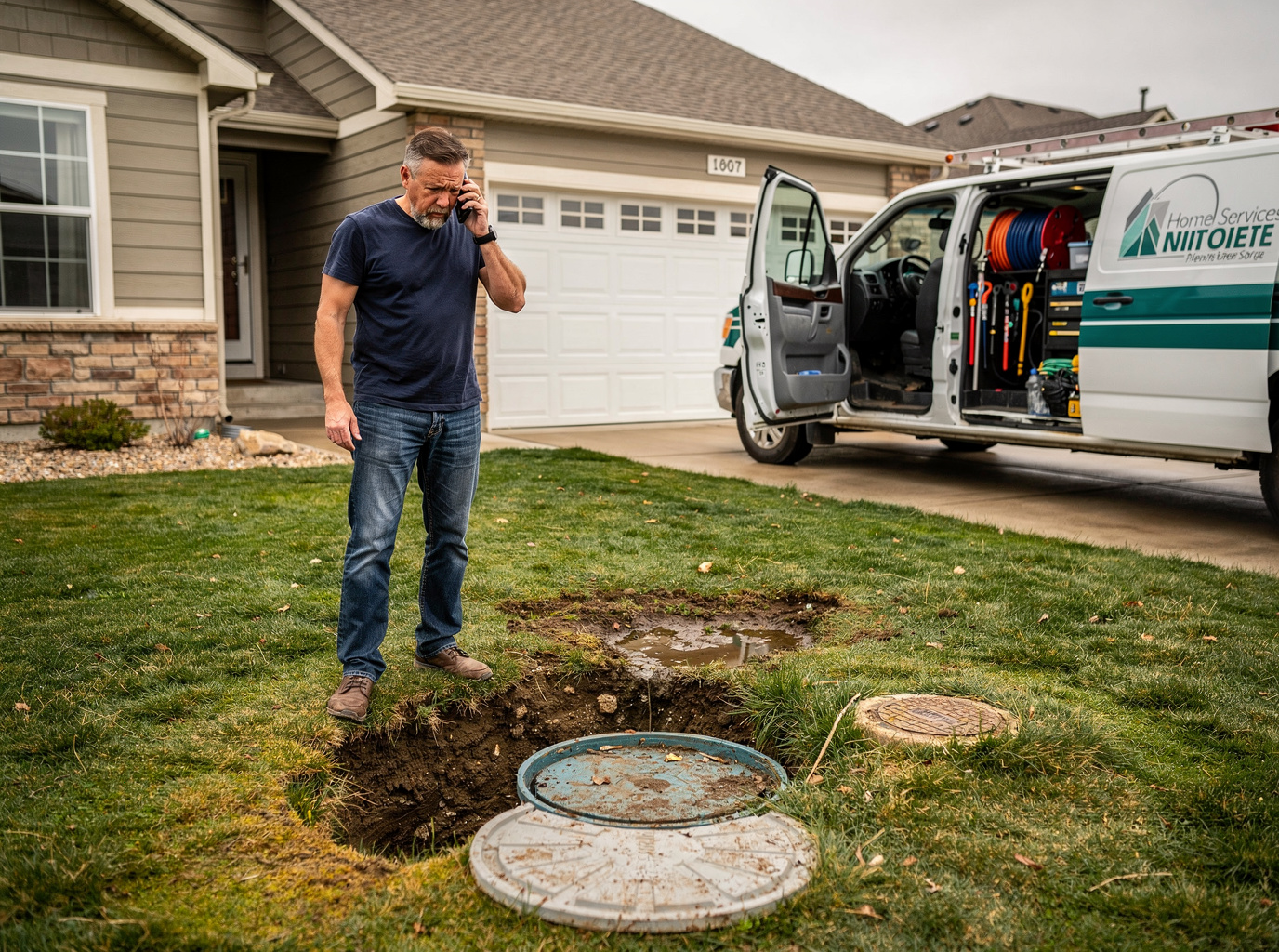
The top signs of a septic tank emergency are sewage backing up into fixtures, strong odors near the tank or leach field, and slow drains that worsen after heavy use. In Littleton homes built before 1980, these problems often appear first in basements or low-lying areas such as Sterne Park and Southpark. When any of these occur, stop all non-essential water use right away, keep people and pets away from wet spots in the yard, and call for emergency septic pumping before the situation spreads to neighboring properties in Bowles or Wolhurst.
Recognizing the Signs in Older Littleton Homes
Homes in Historic Littleton and Downtown Littleton frequently have tanks installed 30 to 50 years ago that were sized for smaller households. When family sizes grew or additions were added, the tanks now reach capacity faster during spring snowmelt or after summer thunderstorms common in Arapahoe County. Watch for gurgling toilets, water pooling above the tank lid, or lush grass strips over the drain field even in dry months. These indicators differ from routine maintenance needs because they appear suddenly and involve visible wastewater. Residents near the Littleton Museum or Bemis Public Library often report the same pattern after holiday gatherings when water use spikes. Early recognition prevents raw sewage from reaching Hudson Gardens or nearby streets.
Immediate Actions Before Emergency Septic Pumping Arrives
Shut off the main water supply if backups reach interior fixtures and avoid flushing toilets or running appliances. Mark the location of the tank and any wet yard areas with cones or tape so technicians can work quickly once they reach 5900 S Santa Fe Dr. Move vehicles to allow clear access for the pump truck. Do not attempt to open the tank yourself; methane and hydrogen sulfide gases can accumulate quickly in the semi-arid conditions that dry out soil around older lids. If odors enter the home, open windows on the downwind side and run exhaust fans. These steps reduce the volume that must be removed during emergency septic pumping and limit further damage to the leach field.
How Local Weather and Soil Affect Emergencies
Littleton’s low-humidity winters cause ground to heave around older concrete tanks, cracking baffles or shifting inlet pipes. Spring runoff from the foothills then saturates clay-heavy soils common in Columbine and Wolhurst, pushing partially treated effluent to the surface. Summer heat dries the topsoil but leaves deeper layers compacted, slowing percolation in drain fields that serve homes near Highlands Ranch or Englewood. Each season changes the urgency: winter backups freeze in pipes while summer odors travel farther in dry air. Understanding these patterns helps homeowners in Bow Mar or Southglenn time water conservation before a full emergency develops.
Continuing Care After the Immediate Crisis
Once the tank is pumped, schedule a camera inspection to check for cracks or broken baffles that commonly appear in Arapahoe County homes of this age. Installing risers brings the lid to grade so future pumping stays routine rather than reactive. Review water-use habits, especially in households with multiple bathrooms or laundry machines, and consider spreading loads across days. Properties in TrailMark or Chatfield Bluffs often benefit from these adjustments because their lots sit on variable slopes that affect drainage. Follow-up visits every 3 to 5 years keep systems stable through the region’s freeze-thaw cycles.